
Luke Nguyen's Vietnam Food Tour: Day 5, morning
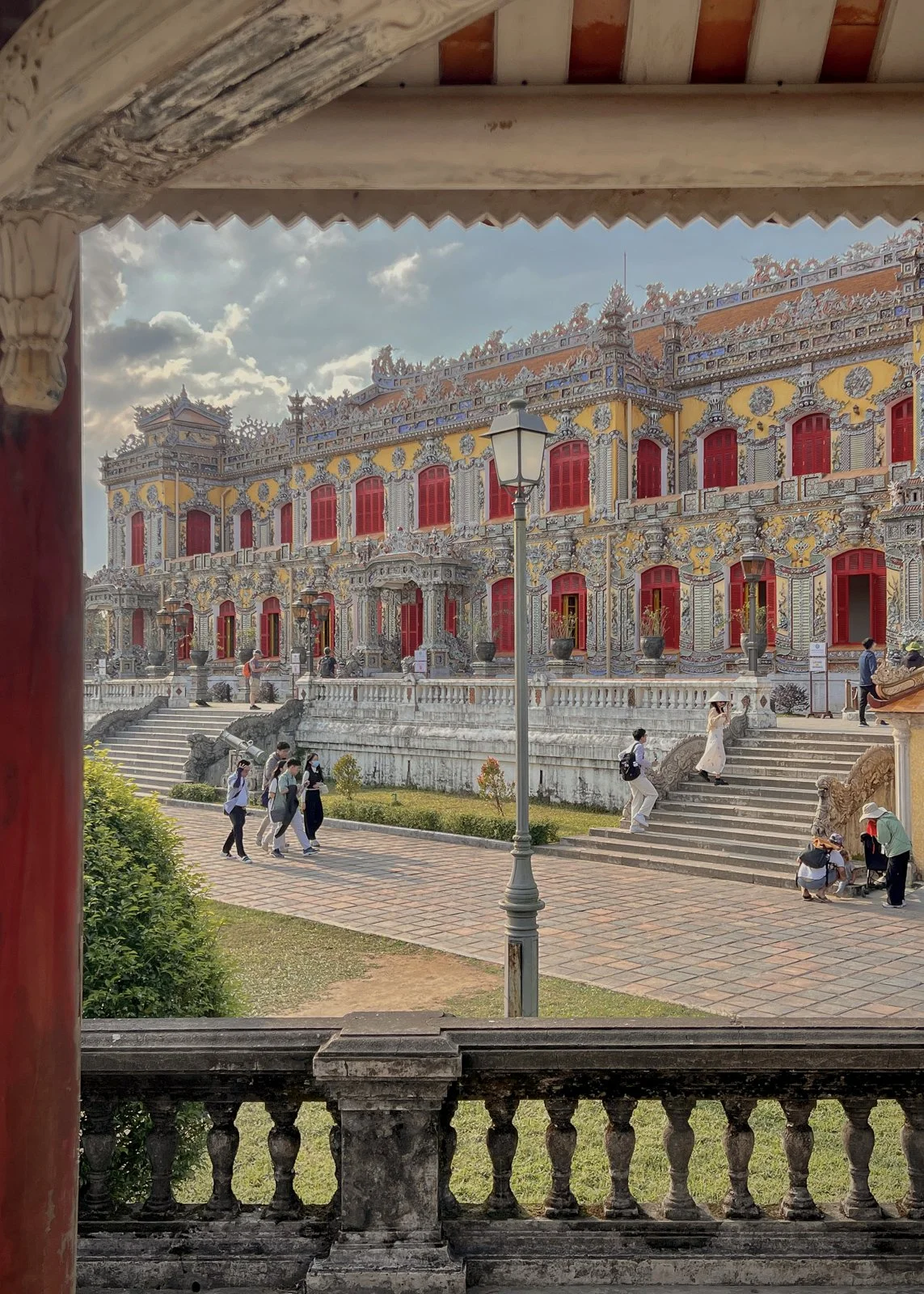
We got up for an early breakfast because we were going to the Imperial City, or Imperial Palace, also known as Đại Nội, in the walled city of Huế. We were trying to beat the onslaught of heat coming later in the day. We should have come here before daybreak because by 9am, it was a scorcher, and we were in for a long walk around this 1,285-acre (520-hectare) protected area.
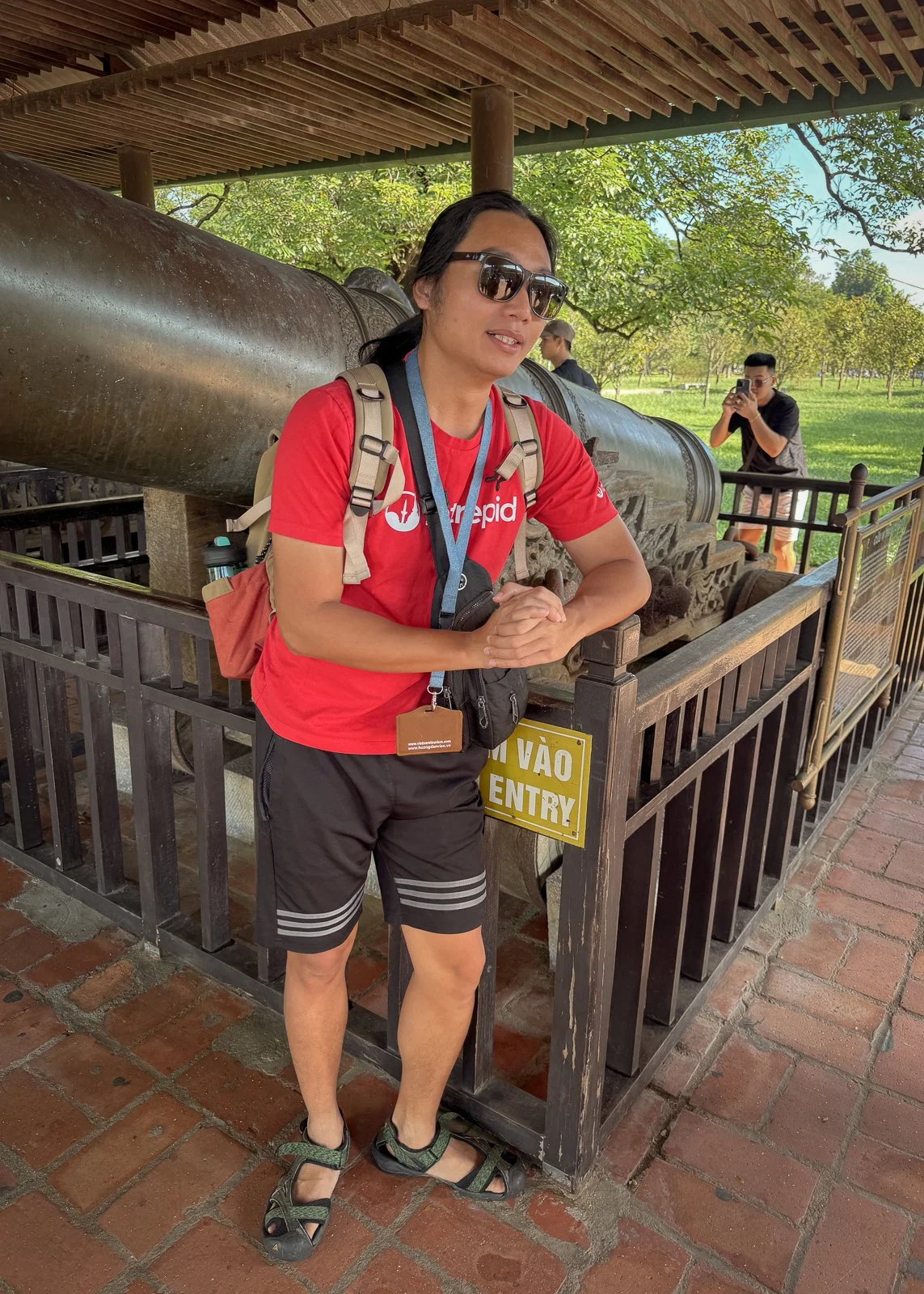
Our guide, the masterful Binh, in the red shirt, took us through the walk as he filled us in on the colorful history of the vast palace grounds.
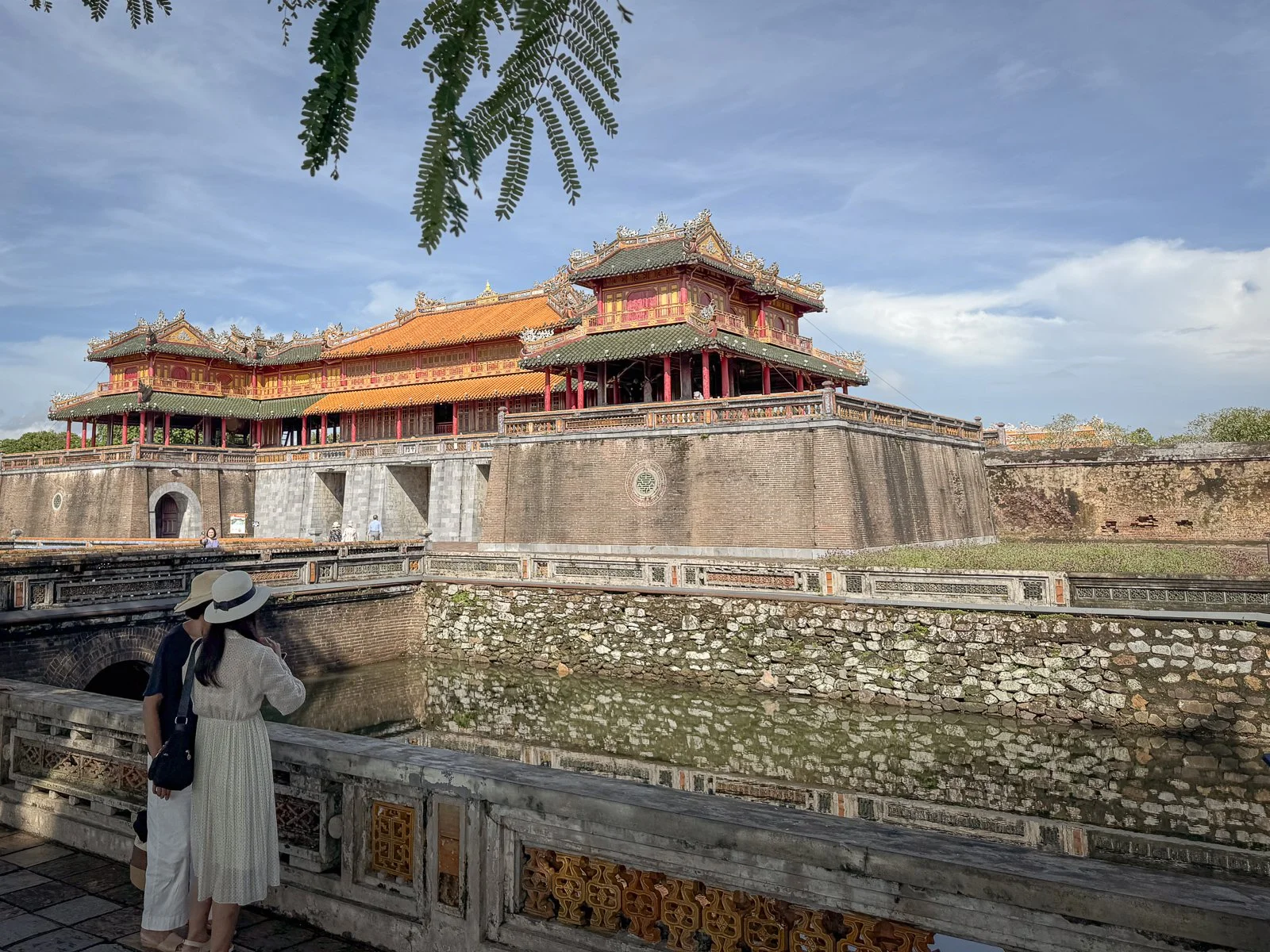
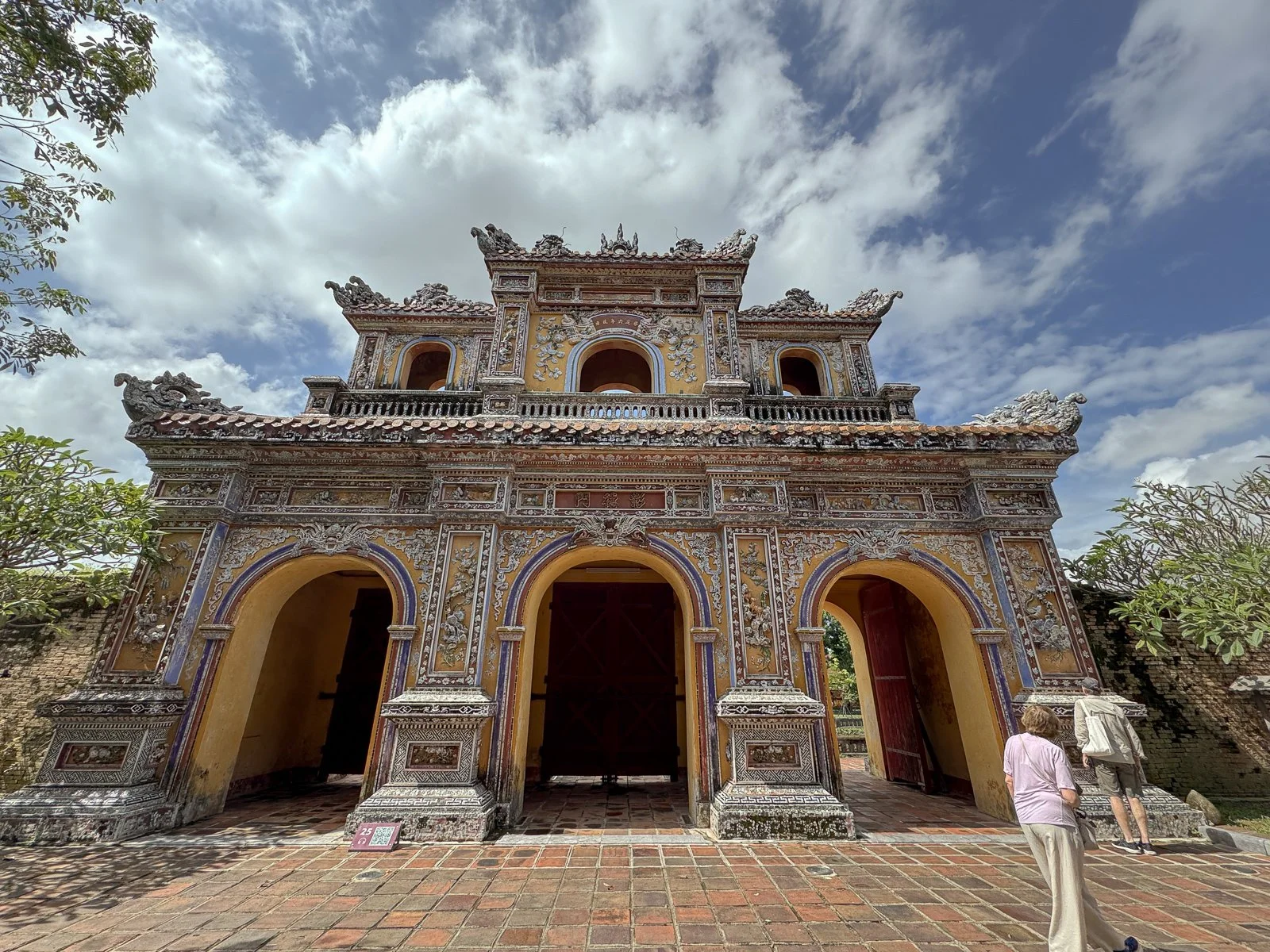
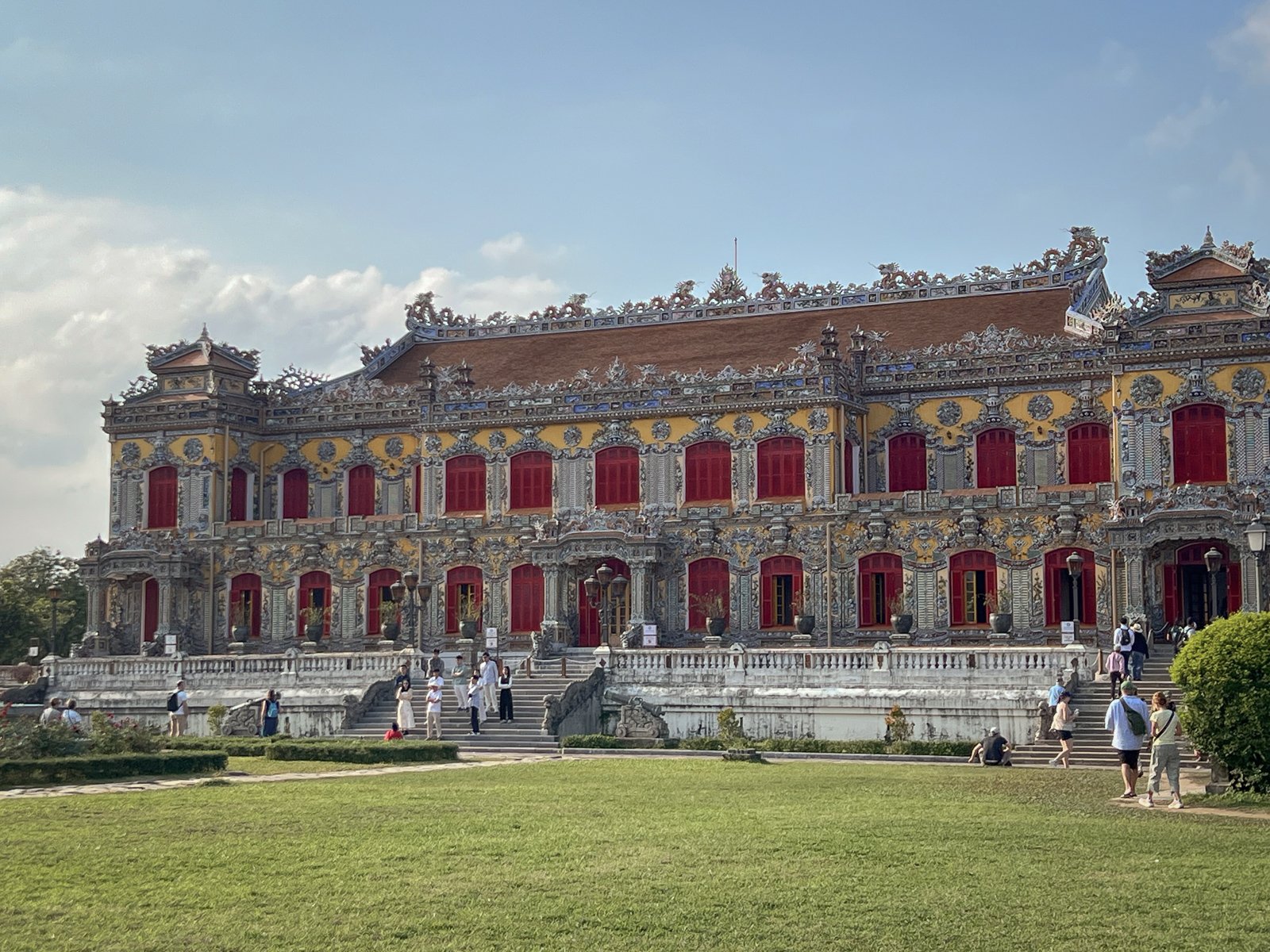
Huế is the former imperial capital of Vietnam during the Nguyễn dynasty. Construction began in 1803 under Emperor Gia Long, founder of the Nguyễn dynasty, and it contains the palaces that housed the imperial family, as well as shrines, gardens, and offices for mandarins.
Surrounded by a moat, it has three layers: the outer ring consists of fortifications for the city's defense. The middle section is the Imperial City, which includes a residential area. And the innermost section is the Forbidden City, reserved for the emperor and his family.
It was designated as a UNESCO World Heritage Site in 1993. (They certainly took their time considering it was built nearly 200 years ago)
The Imperial City's architecture is an interesting mix of Vietnamese traditions with Chinese and French colonial influences.
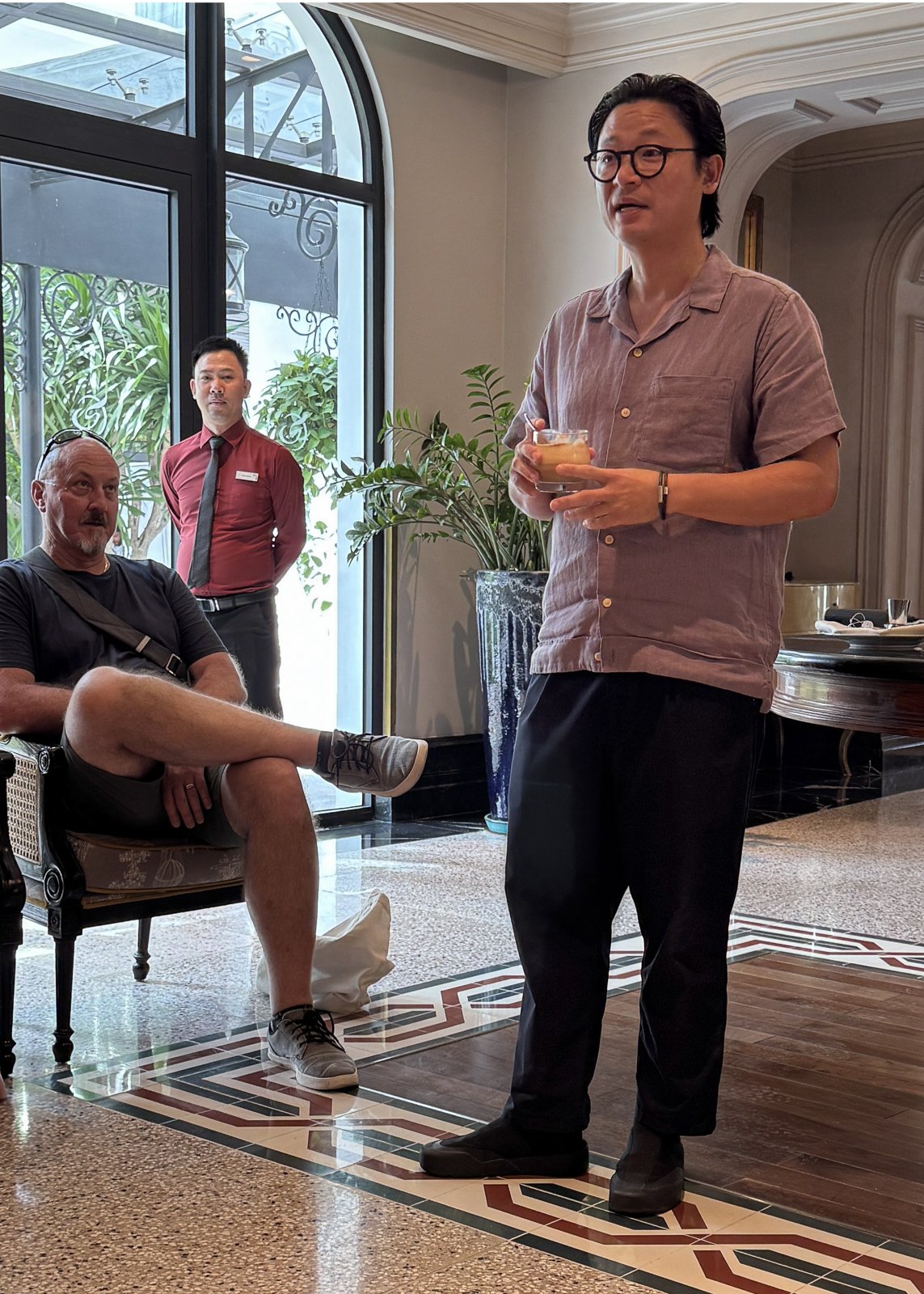
But after slogging miles in the heat, it was time to beat it back to the lushly air-conditioned hotel, where we were revived by a lesson from Luke on how to make salt coffee. Vietnam is the second-largest coffee producer in the world, producing about 3.8 billion pounds (1.7 billion kilograms) of coffee a year. So, they need to come up with clever ways to drink it. That's why you can get condensed milk coffee, egg, coconut, or salt coffee, and more.
It may not be your (pun alert!) cup of tea, but the salt coffee was delicious.