
Zojoji Temple
A Moving Tribute To Children Who Died Before Their Time.
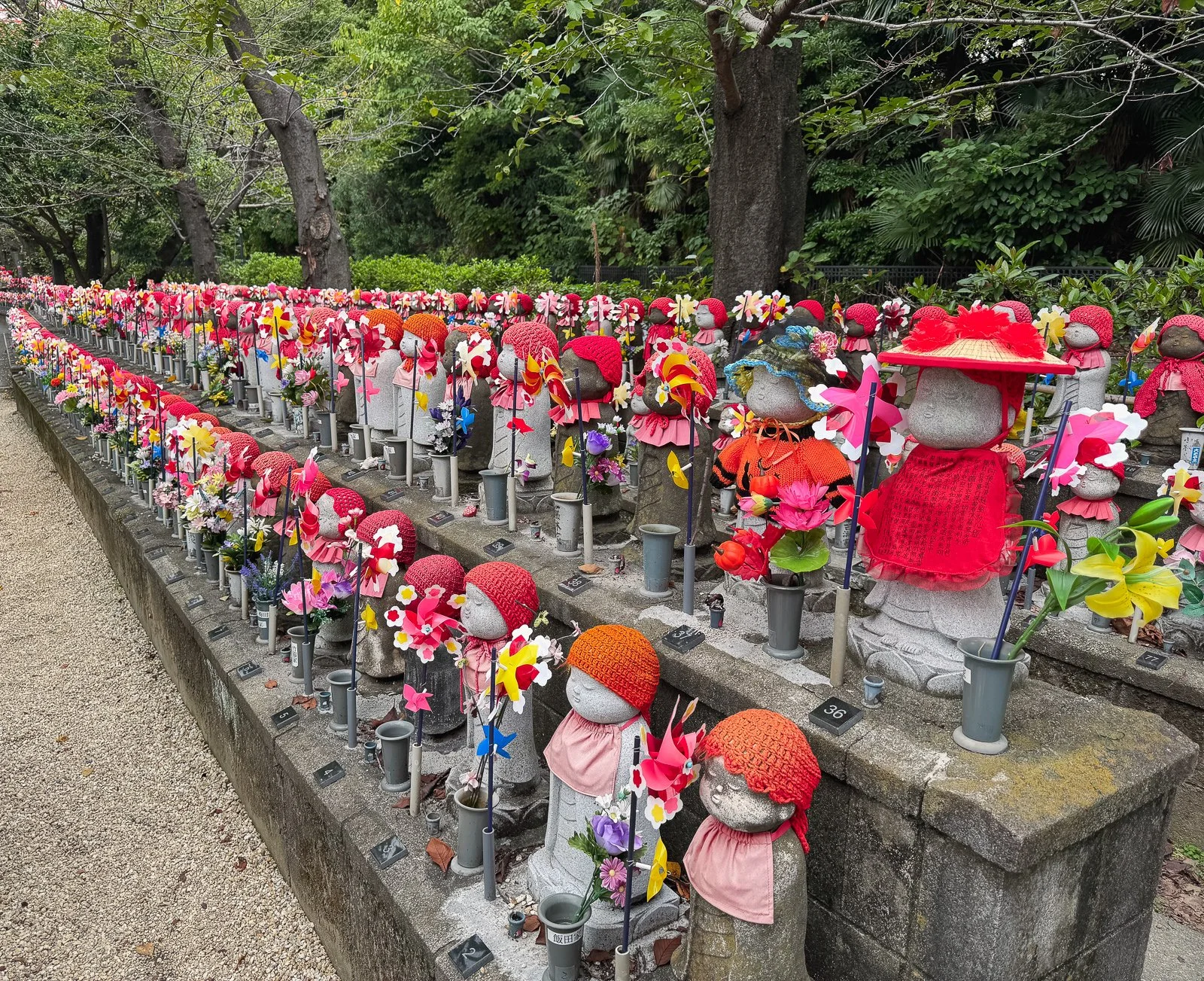
There’s a quiet garden in Tokyo filled with tiny statues that are tributes to children who died before their time. It is touching, sweet, and heartwarming, yet heartbreaking.
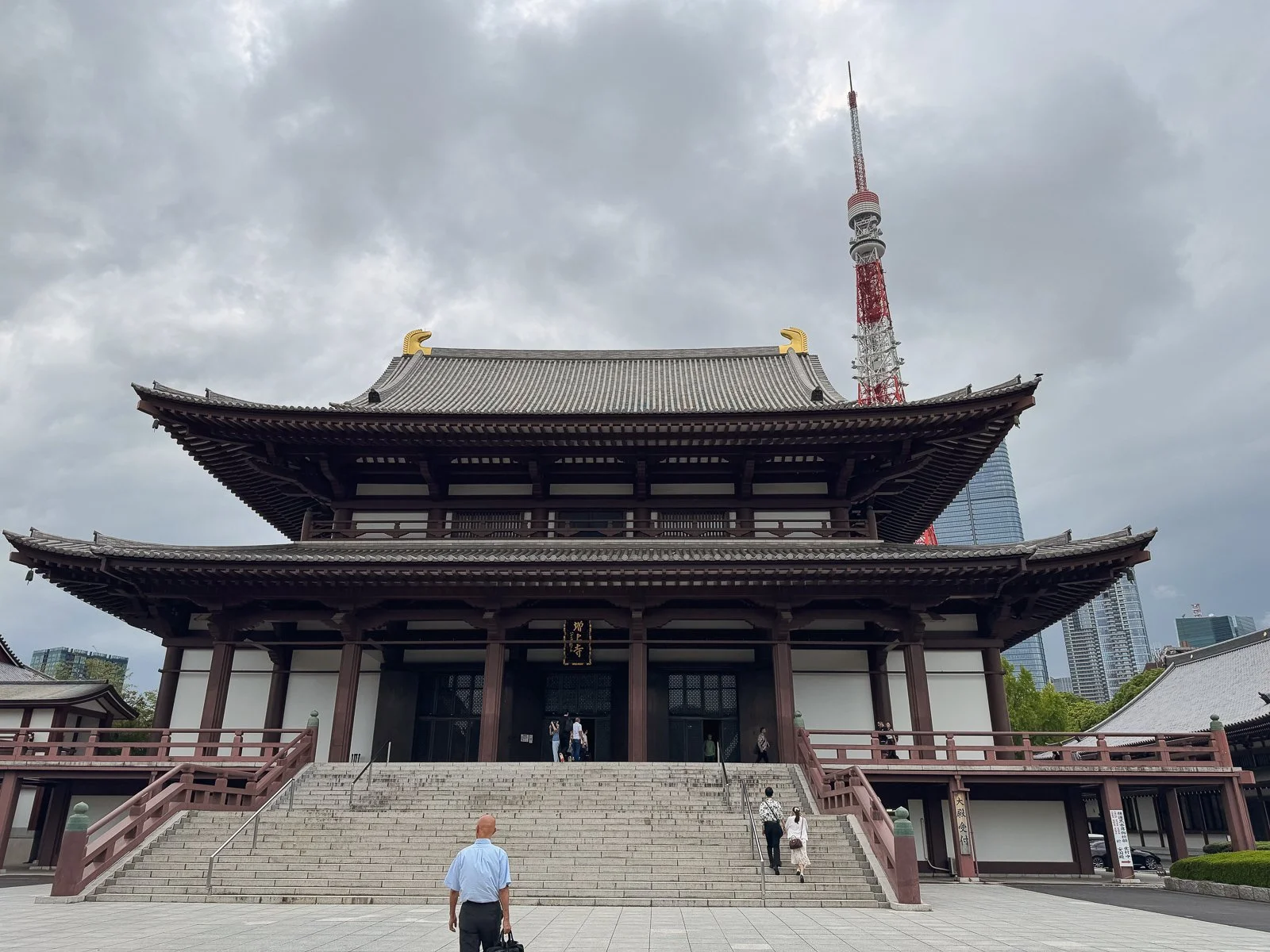
You’ll find it next to the Zojoji Temple near the soaring Tokyo Tower. The temple has its own storied history and cultural significance, but I’ll leave that for another time.
I wandered there on a cloudy, grey day to find a collection of 1,300 small stone Jizo statues located in what is sometimes called the “Unborn Children’s Garden.” I stood speechless for a time, thinking about the joy and heartbreak that each one represented.
The statues represent Jizo, a Buddhist deity — a bodhisattva — who is seen as the protector of children who have died before their parents, as well as a guide for travelers and all those who have passed before their time. Grieving parents can dedicate a statue and decorate it with small clothes, red hats, and bibs to keep the deity warm. They may also leave small toys or pile stones to help the child's soul safely cross into the afterlife.
The Jizo statues at Zojoji are small and childlike. They are placed there for families to pray for the health and safety of young children, and the souls of mizuko, literally “water children.”
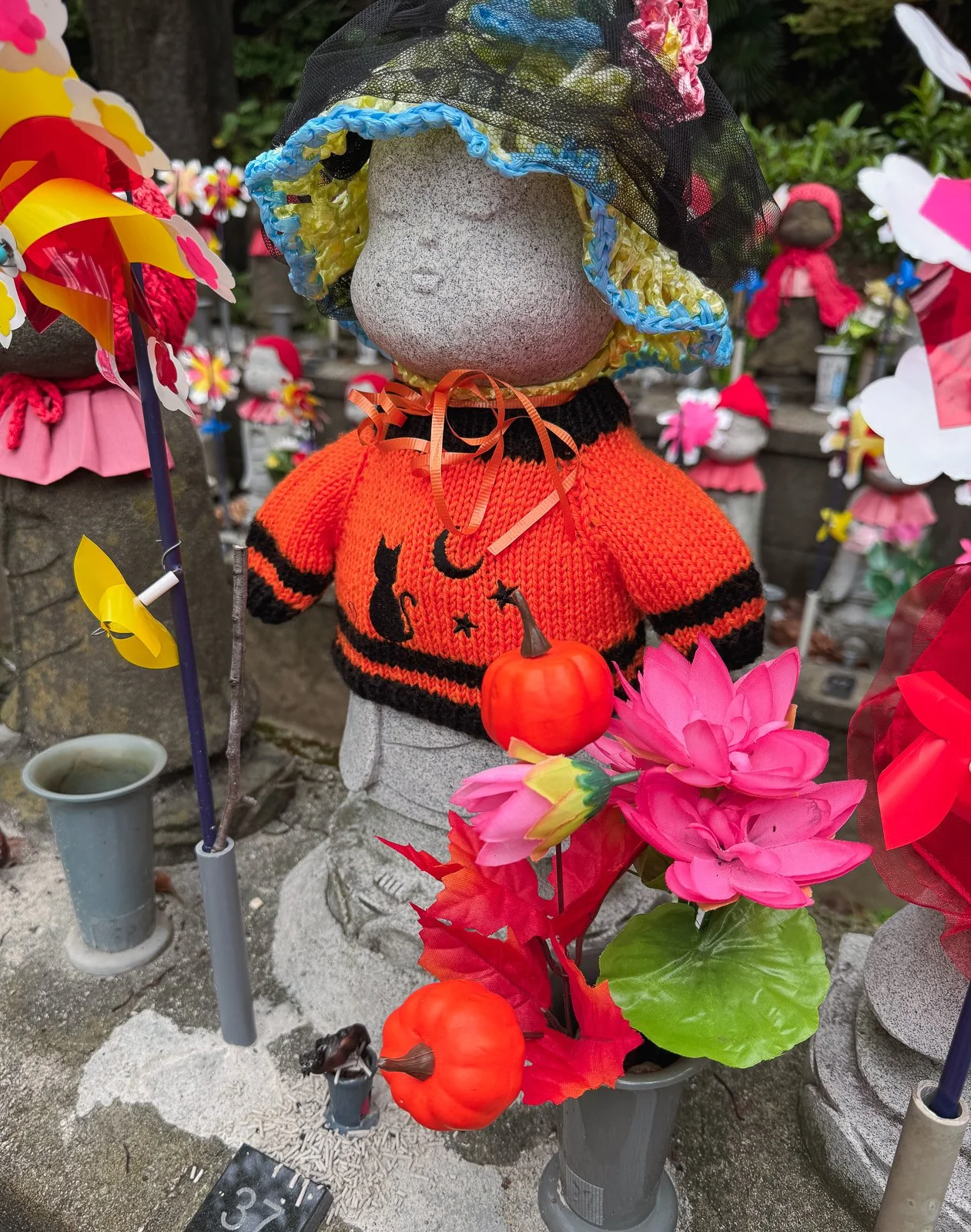
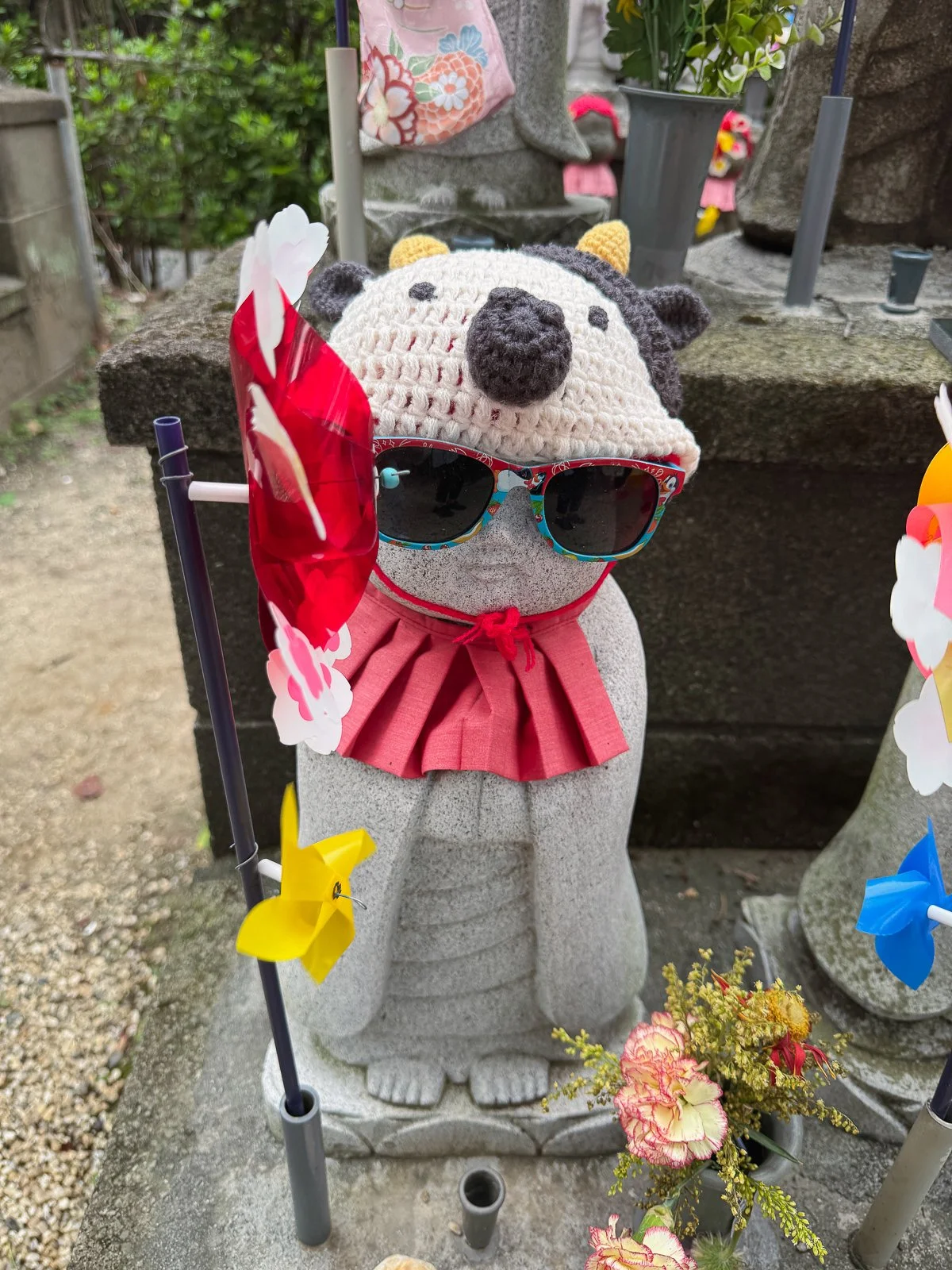
You can’t help but smile when you see the rows of small statues, individually dressed in charming outfits, adorned with knitted caps (to keep their heads warm) and holding pinwheels, symbols of the playful, carefree nature of childhood.
It is believed that the spinning motion of the pinwheels represents the constant cycle of birth, death, and rebirth and that Jizo helps guide the souls of deceased children through this cycle.
Yet despite the playful tributes, you know there’s a sad story behind each one.