
A Quick Stop in Tokyo
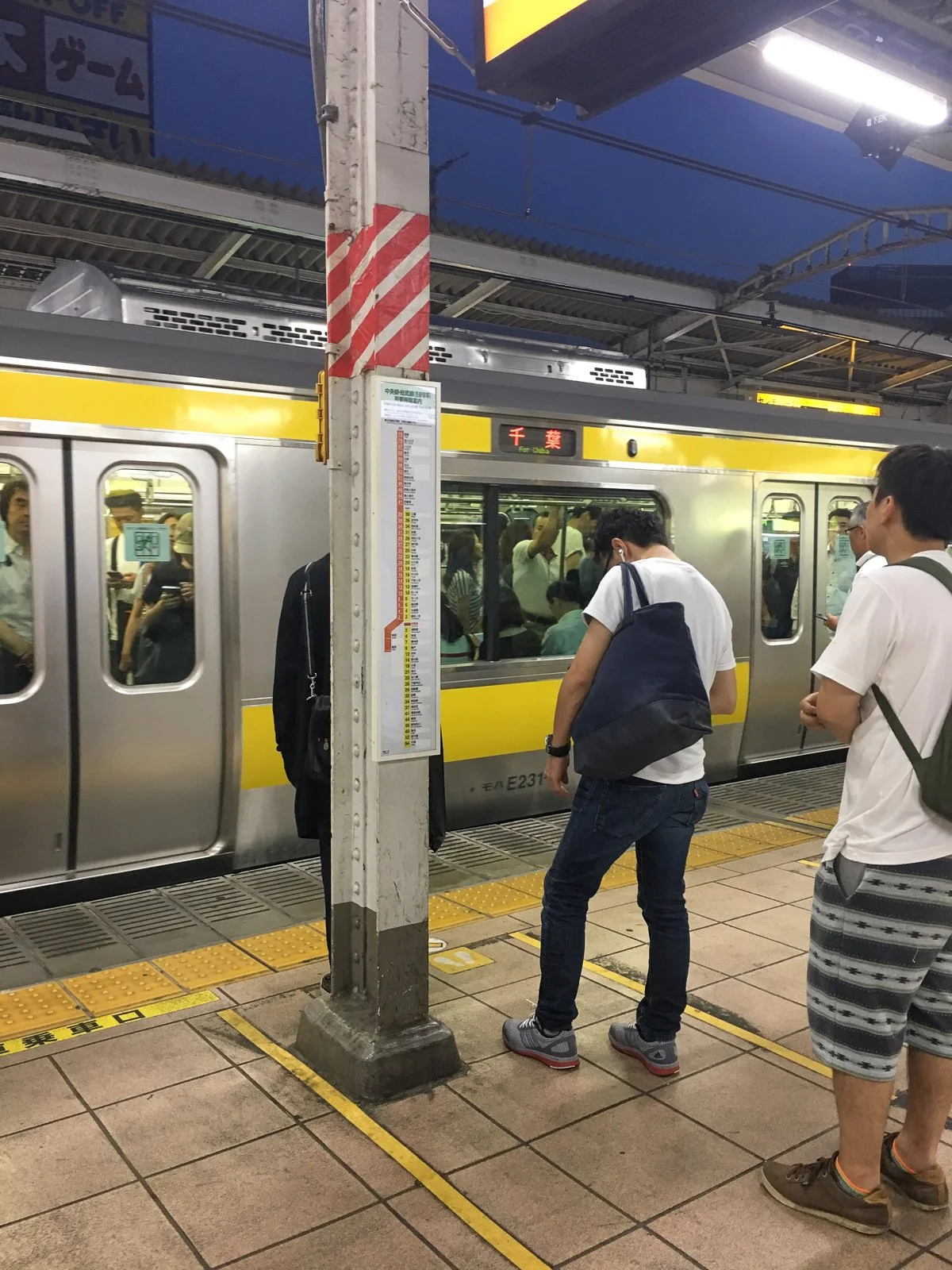
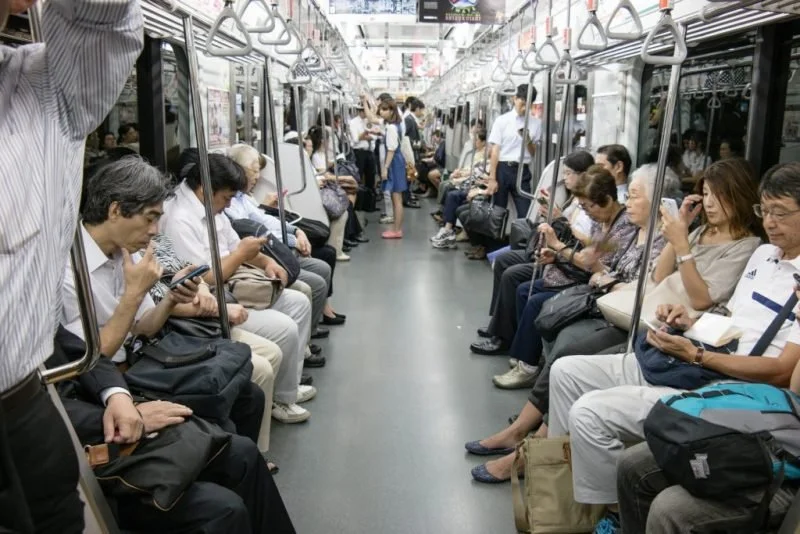
We were headed to Vietnam for a 10-day food tour with celebrity chef Luke Nguyen, but we wanted to stop in Tokyo on the way because it's one of the coolest cities in the world, and it's in the neighborhood (more or less). Do I need a better reason? We did our usual wandering around the city, marveling at its orderliness, its cleanliness, and its fantastic food. A couple of days is never enough.
Last time we went to Japan, we stayed in Tokyo for a month. Our friends said, "What are you going to do there for a month?" Are they kidding? A month is barely enough to scrape the surface of this multi-layered city.
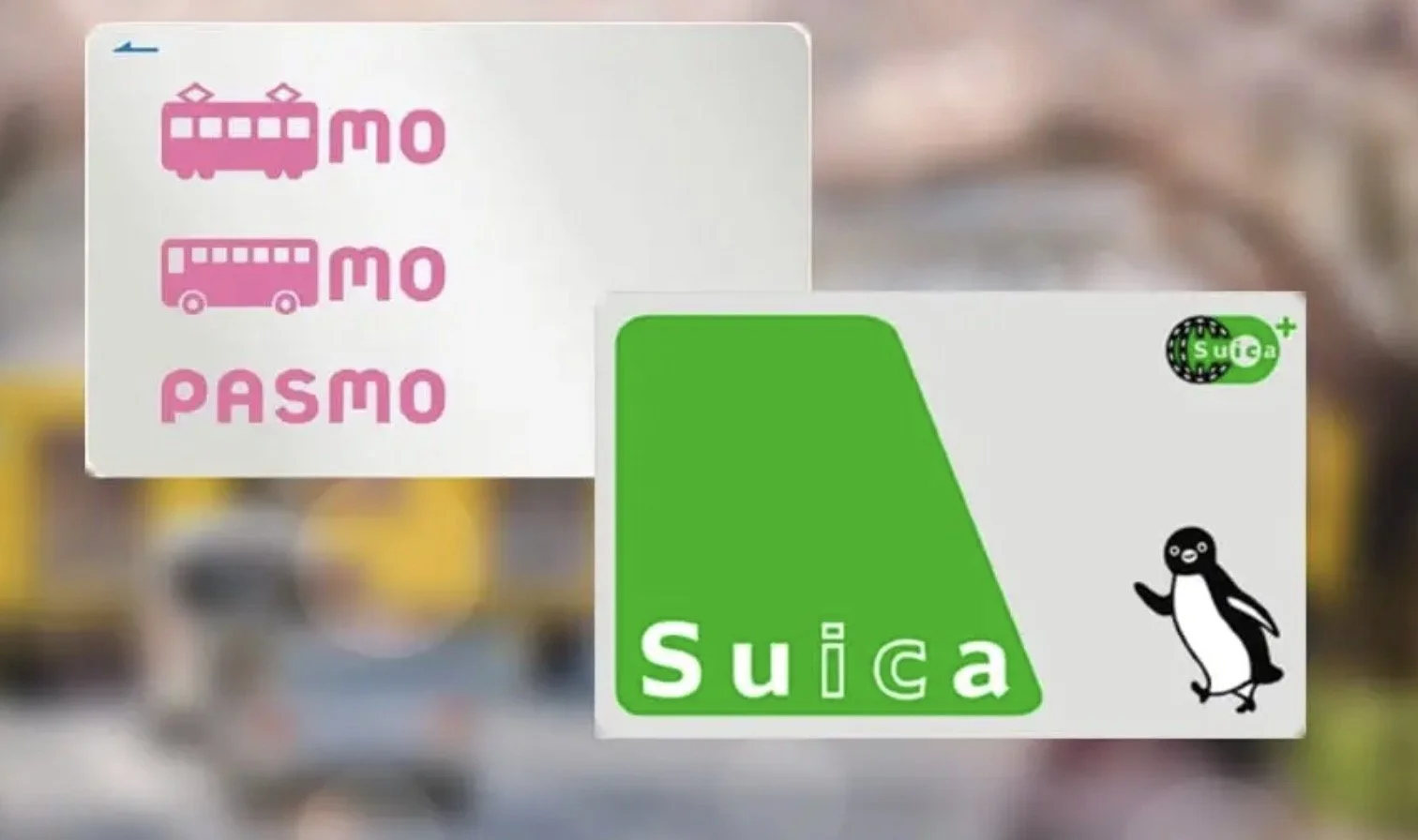
Every day we would go out and explore a different neighborhood, and each one was an adventure. My advice is to get a transit card. Either a PASMO or Suica card that you can buy at the ubiquitous 7-Eleven stores in the city. There seems to be one on every block. (Well, that's practically true because there are 2,892 7-Elevens in the city.)
The easiest way to get around Tokyo is to put your destination into Google or Apple Maps and select the subway icon. It will tell you everything—the entry number, the platform, and which stop to get off at. Find the right line (they are color-coded), tap your card on the machine at the ticket gate, and find your platform.
The stations and the trains are immaculate and safe. Lots of elementary school kids take the train to school every day on their own.
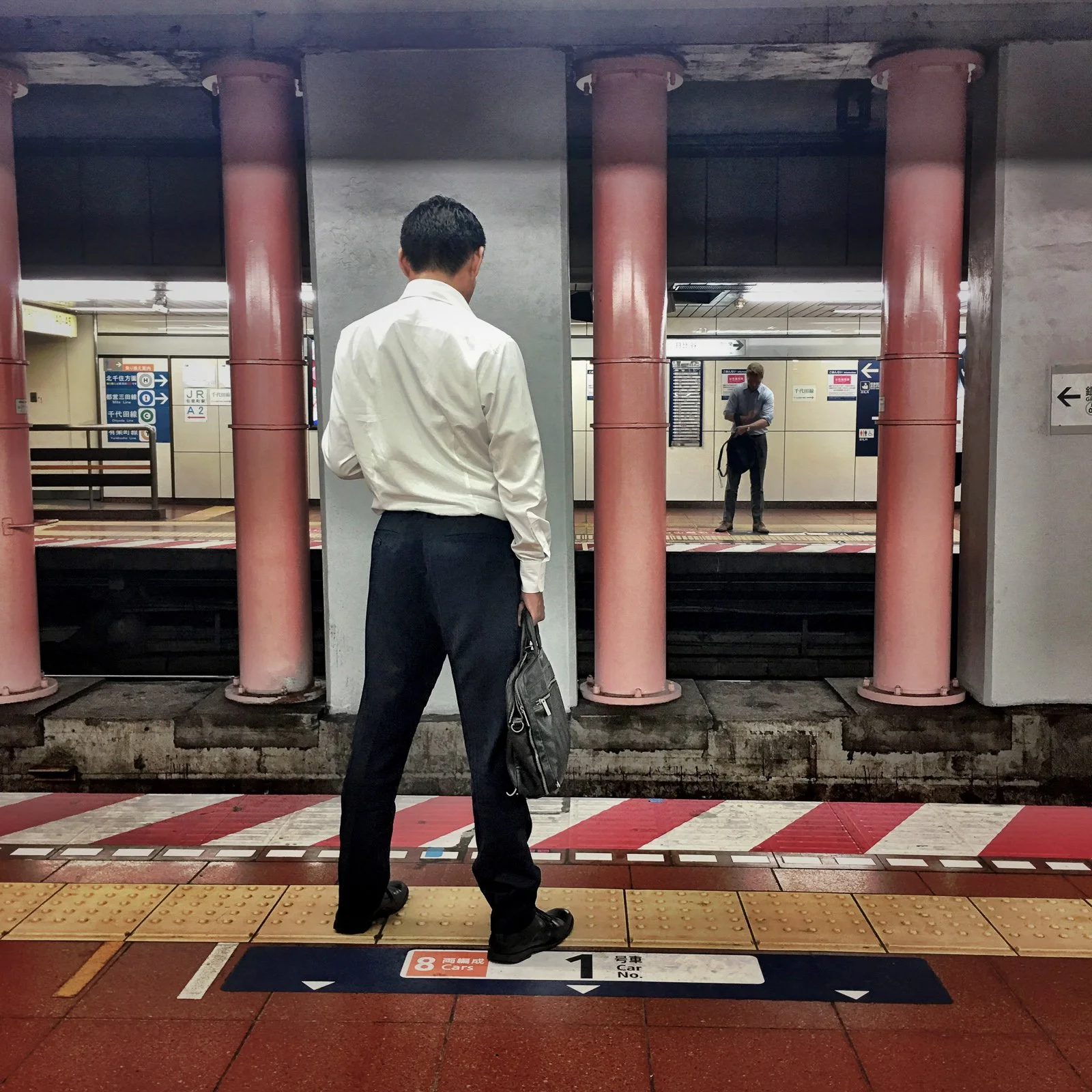
Once you're on the right platform, there's a sign that shows when the next train is coming, usually within three minutes. By the way, observe where the other passengers are standing. There are marks on the floor that show where to stand so that you are positioned on either side of the doors when they open. That allows passengers to exit easily. And if it's busy, be polite and line up behind the person in front of you.
By the way, no eating on the train, or yapping on your phone, or talking loudly. No matter how crowded it is (and rush hours are insane), it's pretty quiet on board, with most people scrolling on their phones. Bonus for you New Yorkers: there are no crazy people, no performers, and no obnoxious live music. This is an oasis of calm.
Typically, the cost of riding the subway is around 180 Yen (about US $1.15), depending on the distance you travel. We were having breakfast at a hotel where rooms run $4,000 a night, and the two couples at the next table were bitching that their driver was costing $400 an hour. Forget cruising around in a black SUV. Get a transit card, dudes, and have some real experiences.
This time, we focused on finding some of the oldest retailers in existence, and I'll write about them soon. In the meantime, we've got places to be.
We left the relative calm of Tokyo (How calm can a city of 37 million be?) for Hanoi. In Tokyo, in spite of the millions of cars that ply the streets, it's pretty quiet. Nobody would ever blow their horn, and everybody seems pretty patient. The contrast with Hanoi, as we were about to discover, couldn't be more striking.
If you are waiting to cross the street and the sign says "Don't Walk," you damn well better not walk. I've stood on a corner at 10 pm with no cars in sight, and everyone waited for the sign to change to "Walk." Honestly, it's peer pressure, but I stood there on the sidewalk and waited for the walk sign.