
The Perfect Toothpick Was Invented 300 Years Ago
The population of Tokyo’s greater metropolitan area is 37 million. That’s about as many people as there are living in all of California. So, when you visit Tokyo, you can easily be overwhelmed by the sheer number of people.
That’s why you get videos of phenomena like the scramble crossing, a huge intersection in Shibuya where thousands of people cross at once.
But to really enjoy this massive city without getting overwhelmed, I like to focus on a minor detail, like food trucks or unusual products you would only see in a Japanese retail store.
I was pretty amazed the last time we were in Tokyo by a list of extremely old, continuously operating businesses near our hotel.
Like a kitchen and knife shop dating back to 1792 (shortly after the American Revolution). Or a lacquerware shop that opened in 1689 (not too long after the Pilgrims landed in Plymouth, Massachusetts).
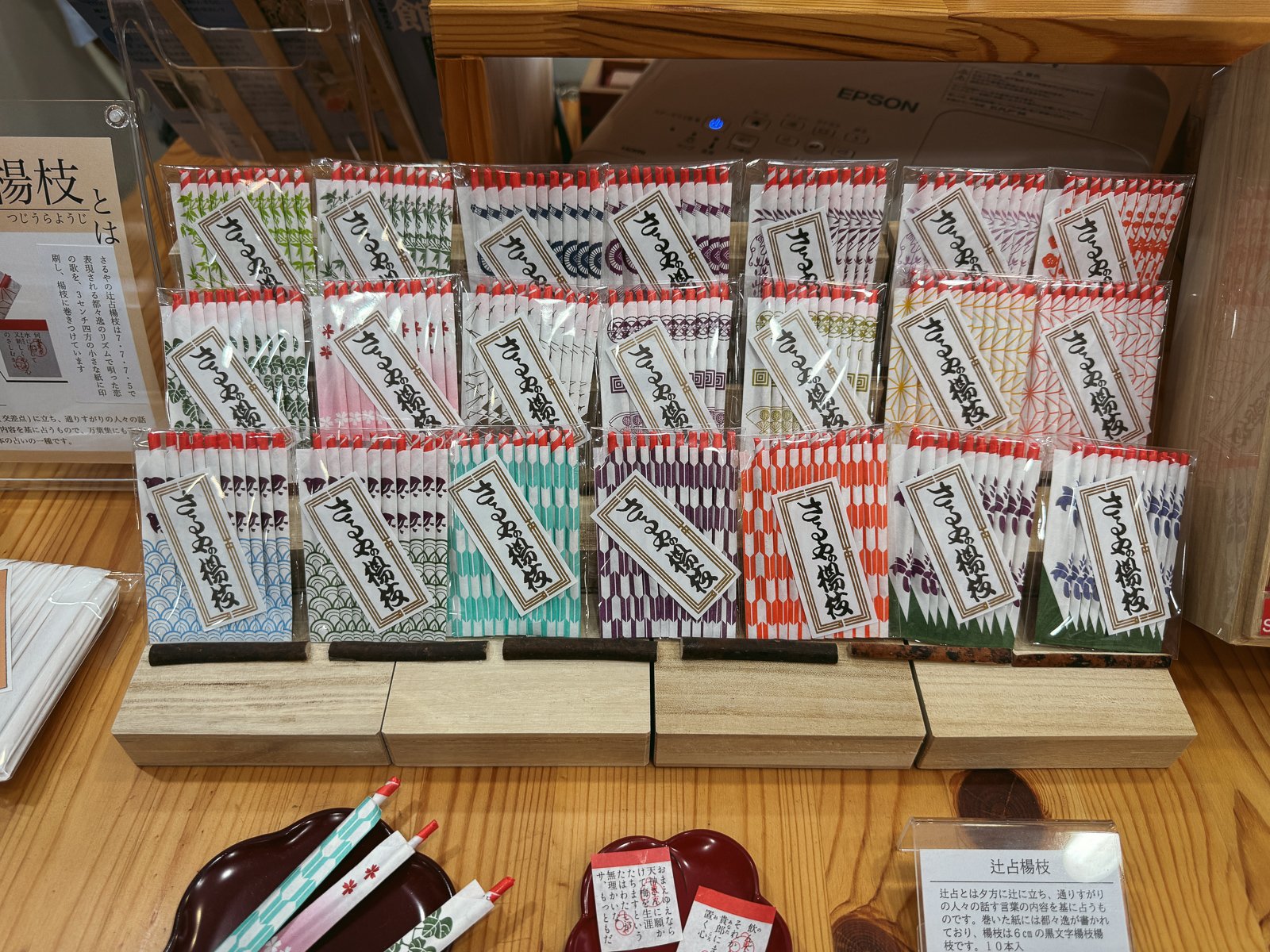
But let’s get back to the subject at hand: toothpicks. Specifically, toothpicks made from high-quality wood from the kuromoji bush.
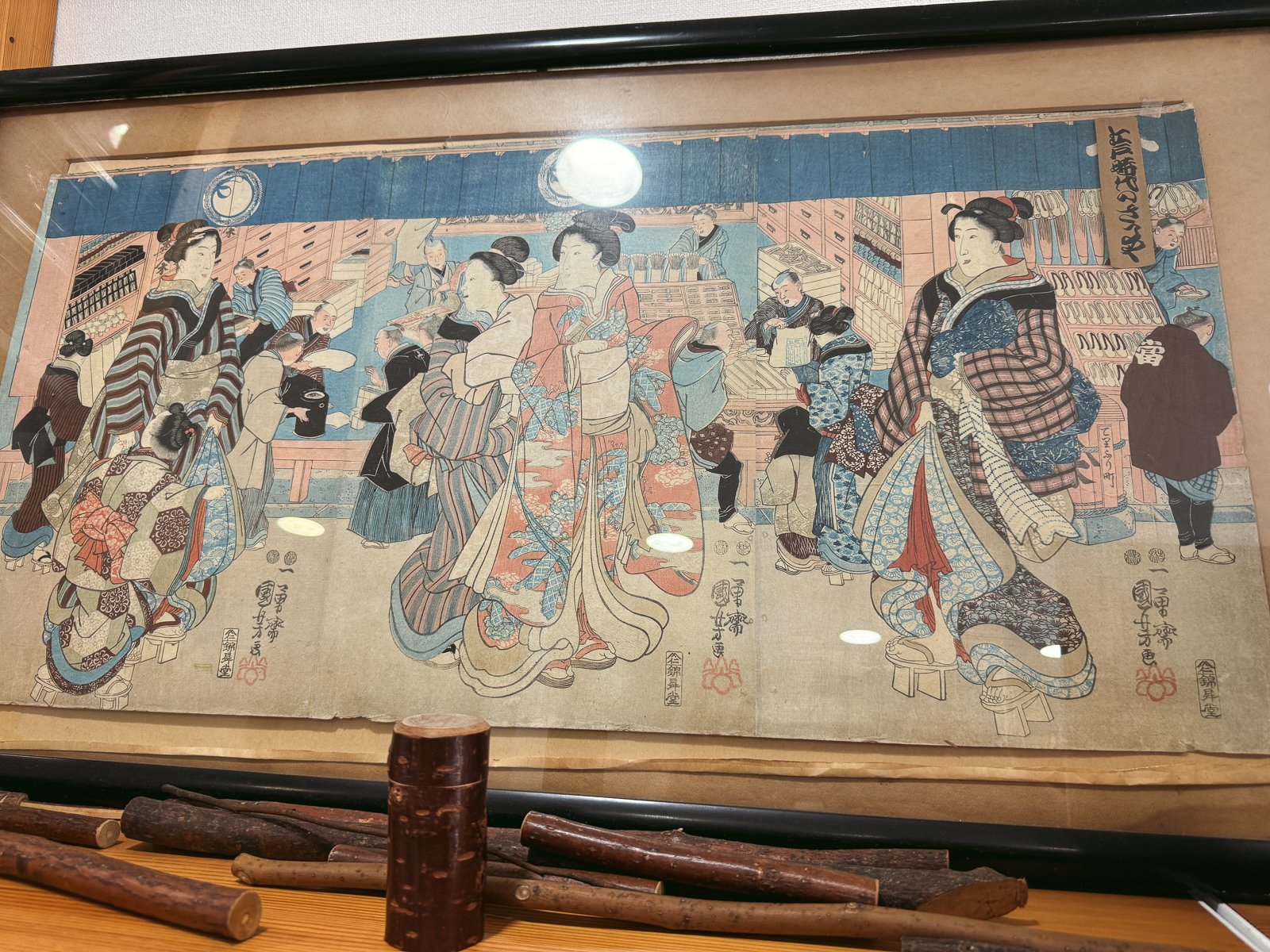
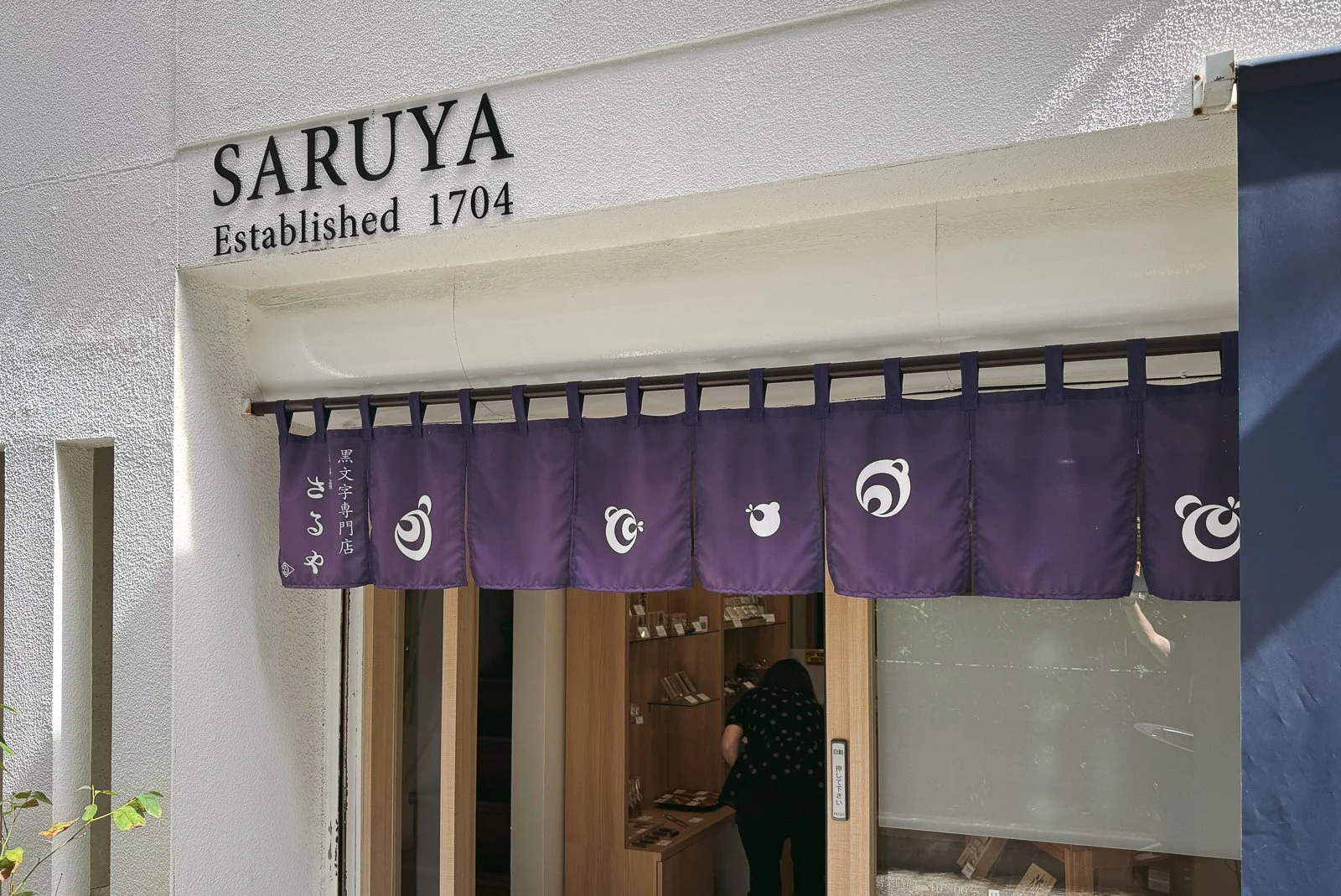
I saw a blurb in a tourist booklet about a store that’s been selling these special toothpicks since 1704. Yes, 321 years ago, when shoguns ruled the country.
The store — Saruya, in the Nihonbashi district of Tokyo — is nestled in a tiny side street not far from the oldest and grandest department store in the city, the Mitsukoshi Department Store, which started in 1673 as a kimono store.
We poked around the alleyways, holding iPhone maps to our faces until we found it. Inside the tiny space, we were greeted by two charming women who spoke a pretty good smattering of English.
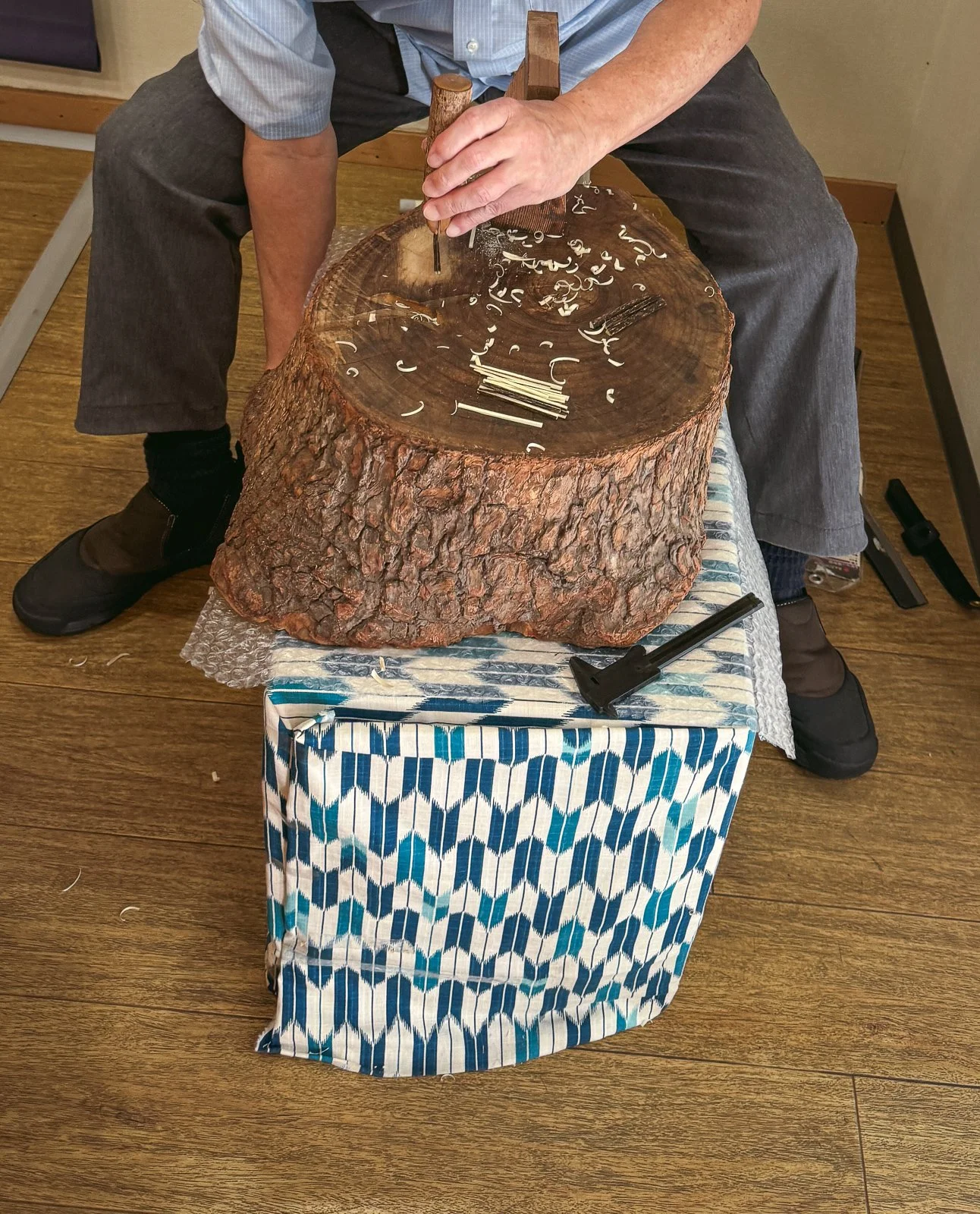
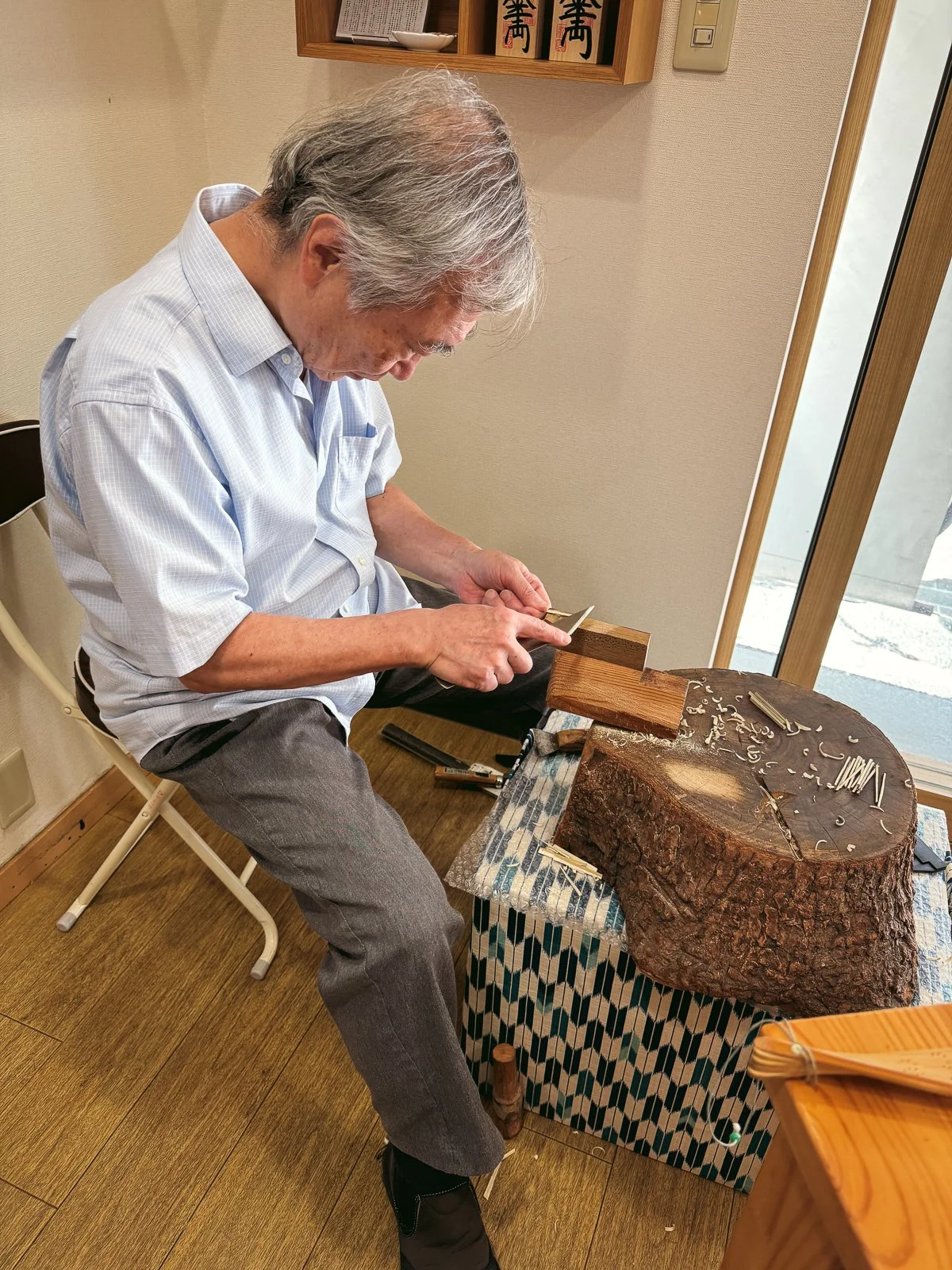
And sitting nearby on a low chair was a very focused middle-aged gentleman who wielded a sharp-looking knife, steadily cutting tiny slivers of toothpicks from a block of wood.
Yes, that’s how these toothpicks are “manufactured.” By hand, 400 in a day. Not a scalable business.
But these are no ordinary toothpicks. Not the kind that comes in a box of 500 for a buck. Or little plastic brushes that, unfortunately, you see discarded on the street in America.
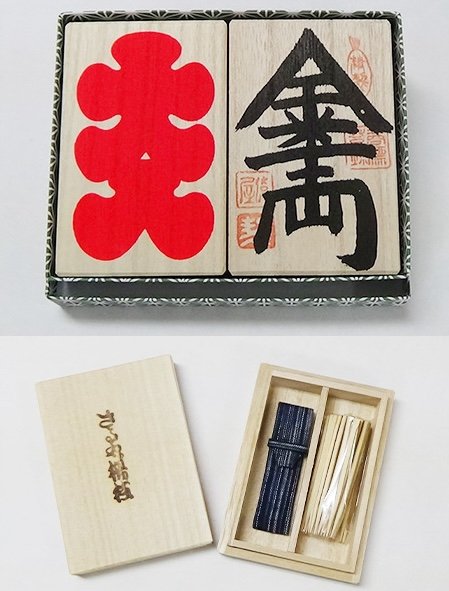
No, this special kuromoji wood produces a subtle fragrance. The toothpick is flexible and feels nice on your teeth. They are elastic, so they don’t break easily, and they don’t have splinters. And each one is hand-crafted.
The perfect toothpick. Born over 300 years ago.