
Luke Nguyen's Vietnam Food Tour: Arriving in Hanoi

I was very excited. We were about to embark on a 10-day food tour with celebrity chef Luke Nguyen, zipping from the top of Vietnam in Hanoi to the bottom in Ho Chi Minh City (or Saigon).
I’ve known Luke for many years, watched all of his TV series, and have enjoyed eating at all of his restaurants. So when I saw this Intrepid trip, I jumped at the chance to spend the week exploring the food and culture of Vietnam with him.
Luke knows every secret back-alley restaurant, every hard-to-find special dish, every chef cooking at a street-food stand, and plenty of Michelin-starred chefs. This was an inside trip down the breadth of the country.
We rolled into Hanoi from Tokyo a couple of days before the tour started. To our relief, a driver was waiting for us at the airport arrivals gate. You never know with a tour whether the driver's going to be at the gate, but if the pickup is smooth, there's a good chance the rest of the tour will be, too. That instinct proved right. Ten days, and every detail had been thought through — the activities, the restaurants, the places we stayed.
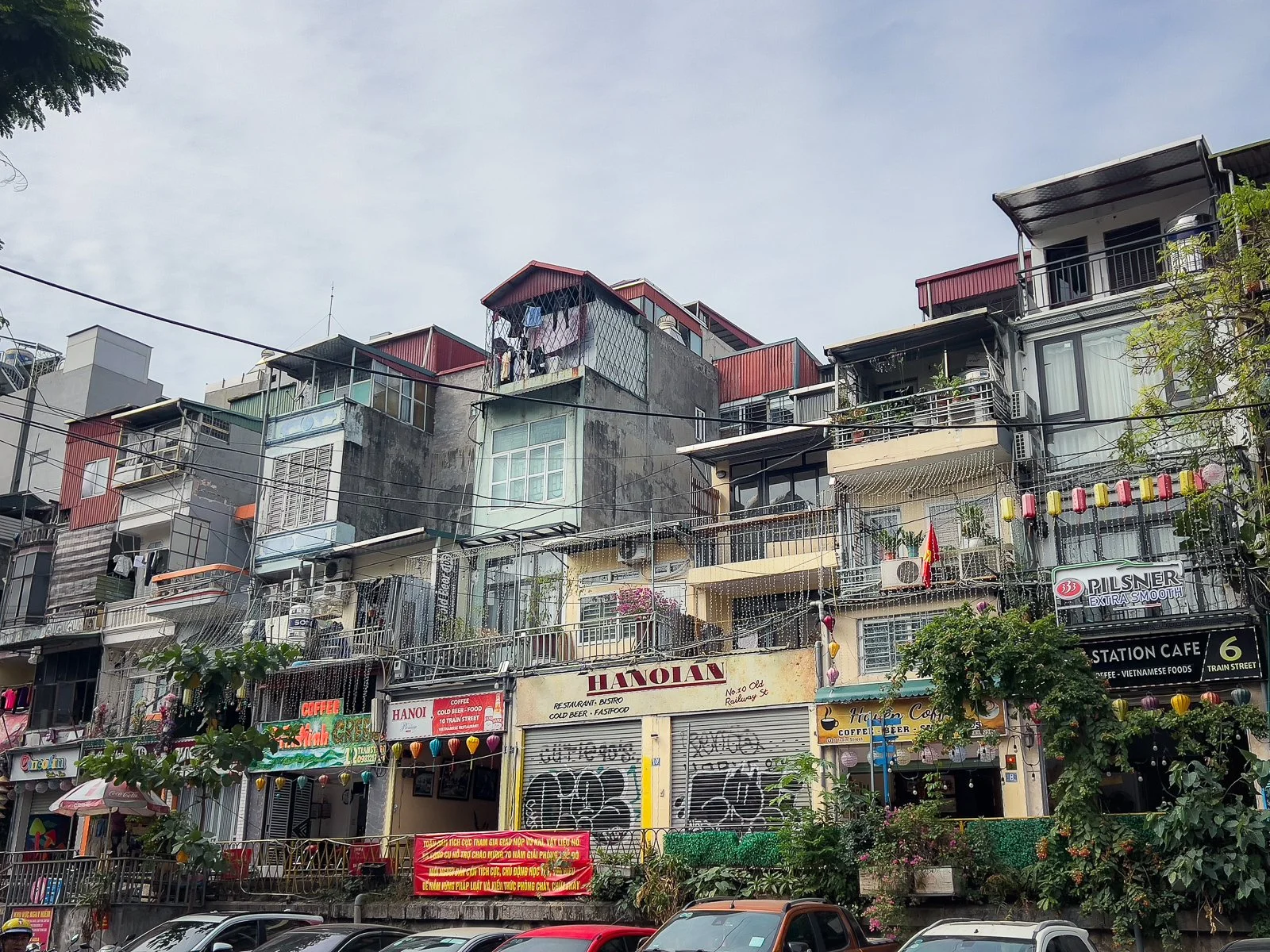
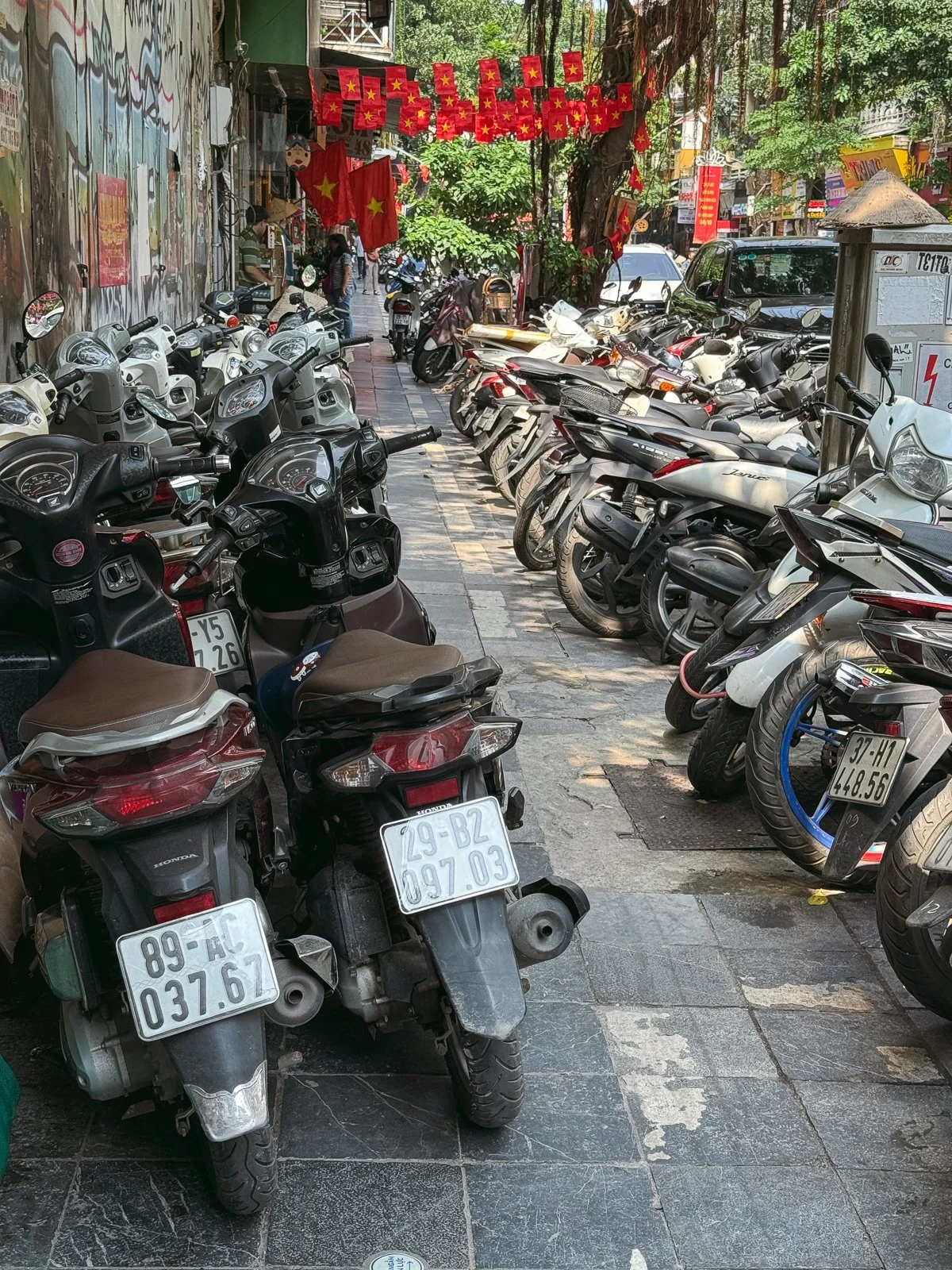
In contrast to Tokyo, Hanoi is utter chaos. There might be a few Walk/Don't Walk signs on the streets, but they are mere suggestions. And it's loud, ear-splittingly loud. Thousands of motorbikes—the main form of transportation—careen through the streets, beeping their little bike horns while cars fight for space with the drivers leaning on the horns relentlessly.
The first time we were in Hanoi and wanted to cross the street, we stood on the curb for what seemed like hours waiting for a break in the traffic, which, of course, never happens, not even in the middle of the night, apparently.
After a while, we noticed that the locals strolled into the street and slowly made their way across, with bikes, cars, buses, and trucks weaving around them as if they had some special protective shield.
Trust me, it's nerve-racking to do that—walking into a barrage of vehicles. It takes nerves of steel, nerves I didn't have at first. So, we figured out the best way to get across the street was to stick with a local. We'd wait around until we spotted a local, we'd huddle up beside them and cross, hoping for the best. And it worked.
Soon, we grew cocky enough to try it ourselves. And damned if it didn't work. Now we stand around and watch the frightened first-time tourists in Hanoi quivering on the pavement, trying to figure out how to get to the other side.
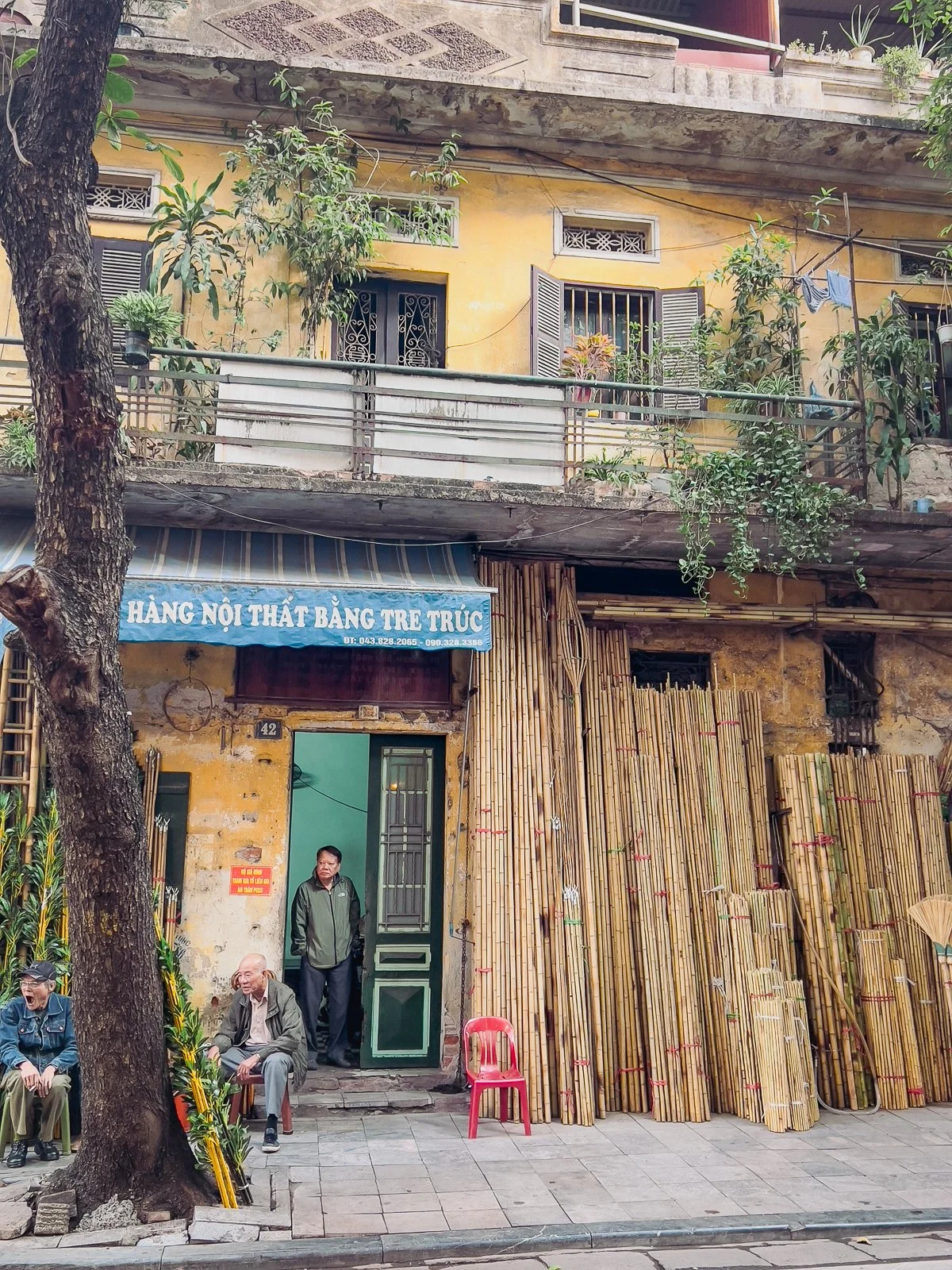
Anyway, that's what it's like in the crowded old section of Hanoi. Motorbikes park on the sidewalk, restaurants set up tiny chairs and tables, and retail stores spread out onto the pavement. You have no choice except to share the street with the whizzing cars, bikes, and buses.
Does that sound like fun? Well, it is. Controlled chaos. And it works most of the time. Except once in a while, there is a complete gridlock, and all the traffic stops until, one by one, bikes slowly squeak by each other until the street is unlocked. And nobody seems fazed by it.
If you want to get away from the chaos for a couple of hours, I recommend lunch at the Spice Garden restaurant at the Metropole Hotel.
For starters, the hotel itself is gorgeous and has a storied history, worth visiting for its blend of French and Southeast Asian architectural design featuring iconic pitched roofs, wooden shuttered windows, and magnificent stucco tiling.
In 1899, a French entrepreneur named Gustave-Émile Dumoutier developed it with his business partner, André Ducamp, on the corner of Henri-Rivière Boulevard. When it opened in 1901, it was the most spectacular hotel in Hanoi.
Graham Greene wrote The Quiet American there. In 1946, President Ho Chi Minh hosted historic peace negotiations with French officials in the hotel's wing prior to the First Indochina War.
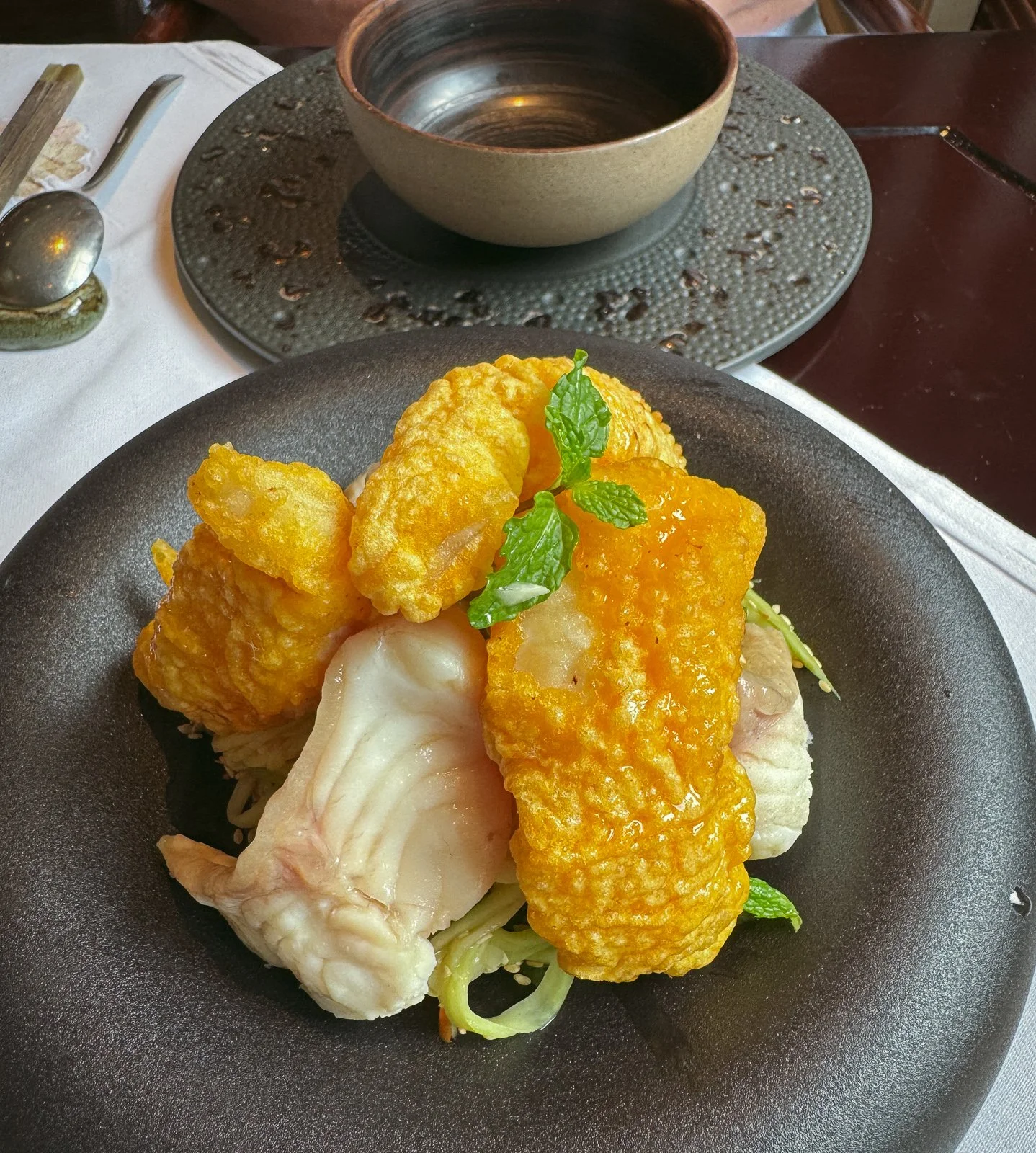


We had some great food at the Spice Garden: mango salad with catfish two ways: pan-fried with a turmeric coating and steamed with chilies, mint, and sesame seeds. We ate roast chicken with pepper sauce while enjoying the view of the quiet leafy garden.
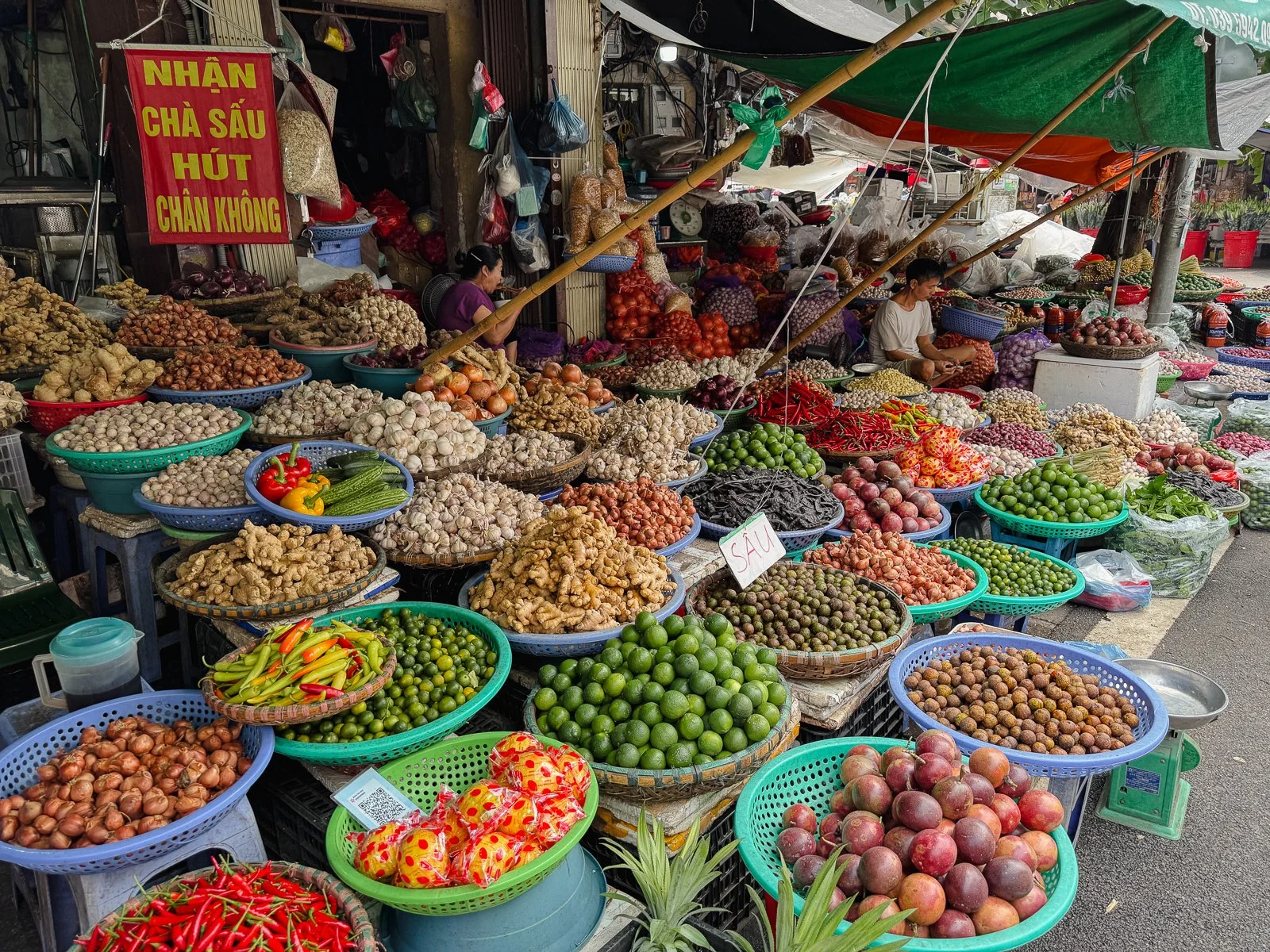
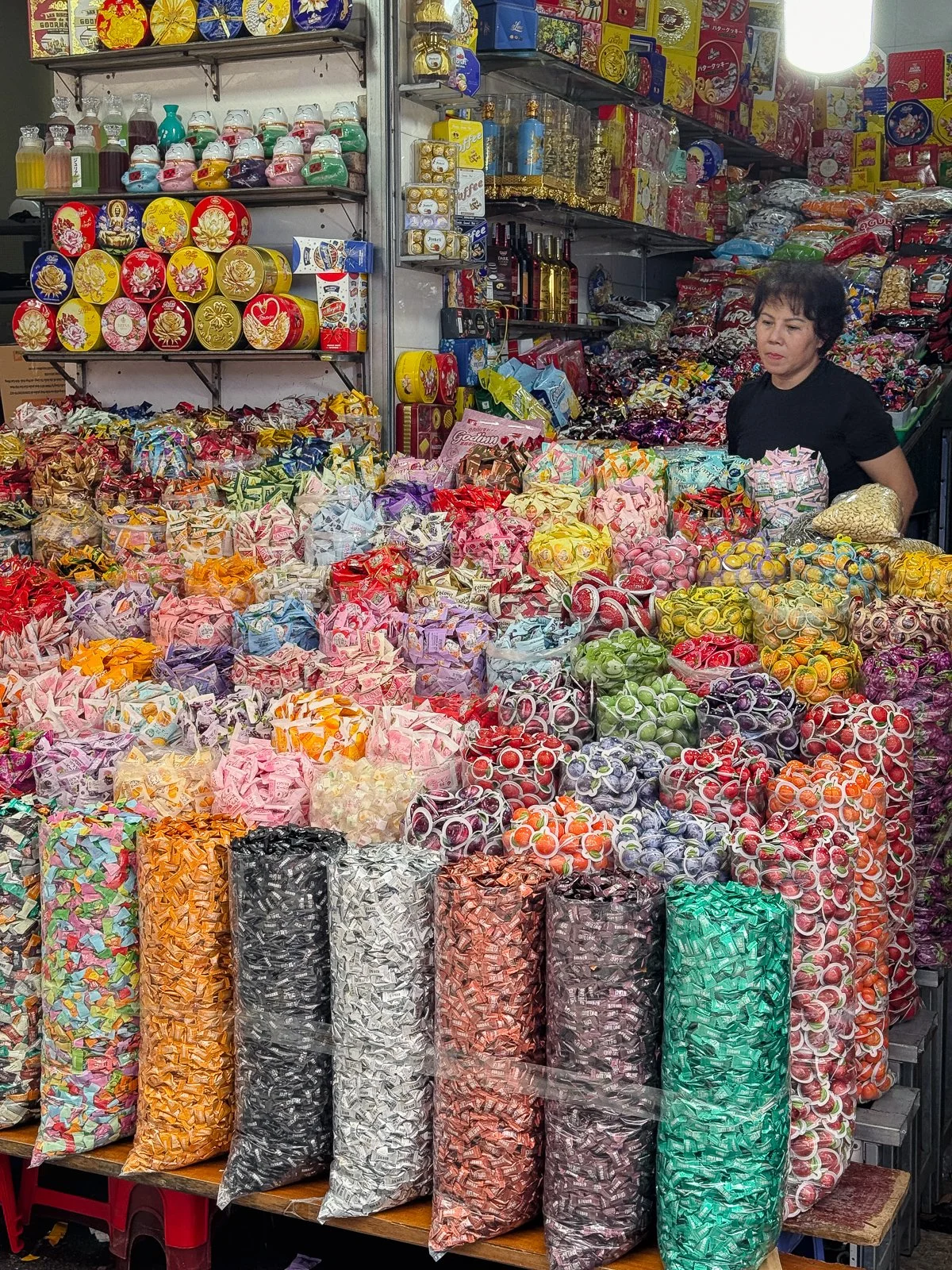
And then back to the chaos, walking through the massive markets, like Dong Xuan, overflowing with locally grown fresh fruits, vegetables, meat, and fresh-caught fish. Plus knock-off Rolexes, Chanel handbags, and Hermes scarves (strictly for tourists).
At night, Hanoi, no less chaotic, lights up and people walk off their dinner with a stroll around the Hoàn Kiếm Lake (Sword Lake) in the city center.


When you're in Hanoi, you have to try the Bun Cha, a Vietnamese dish featuring grilled pork and vermicelli noodles, which originated here.
Probably everybody's seen the famous "Parts Unknown" episode when Anthony Bourdain took President Barack Obama to a funky restaurant in Hanoi to eat Bun Cha back in 2016.

It was at a family-owned restaurant called Bún Chả Hương Liên, and the meal (including beer) cost about US $6. The owners preserved the table and chairs where they sat, along with a set of plates, spoons, chopsticks, two empty beer bottles, and dinnerware. It's all set behind glass like a museum.
We didn't go there for lunch the next day, because we were in a different neighborhood, it was raining, and we were starving. So we dropped into a random restaurant that served Bun Cha. Really, how can you go wrong?
We were sent up a narrow staircase, instructed to take off our shoes (what is this Japanese Bun Cha?), and sat at a low table. Since there was no menu, we just ordered a couple of Bun Cha.
Hanoi never disappoints when it comes to its classic dish. It was delicious, and when we finished, the rain did too.